green living

BOOKS

Eleven recently published books that you might want to check out, read, and/or give to others:

Not Too Late: Changing the Climate Story from Despair to Possibility, short essays by a bunch of great climate experts and authors, edited by Rebecca Solnit and Thelma Young Lutunatabua

No Miracles Needed: How Today’s Technology Can Save Our Climate and Clean Our Air, by Mark Z. Jacobson

At Home on an Unruly Planet: Finding Refuge on a Changed Earth, by Madeline Ostrander

Our Fragile Moment: How Lessons from Earth’s Past Can Help Us Survive the Climate Crisis, by Michael Mann

The Heat Will Kill You First: Life and Death on a Scorched Planet, by Jeff Goodell

The Regenerative Materials Movement: Dispatches from Practitioners, Researchers, and Advocates, edited by the International Living Future Institute

Soil: The Story of a Black Mother’s Garden, by Camille T. Dungy

Alfie and Me: What Owls Know, What Humans Believe, by Carl Safina

Democracy Awakening: Notes on the State of America, by Heather Cox Richardson

Saving Democracy: A User’s Manual for Every American, by David Pepper

Fiction:  The Lost Cause, by Cory Doctorow

Also check out the books published by New Society Publishers and Chelsea Green Publishing and Island Press, for a wide selection of titles on sustainability topics.


FILMS

Four new documentary films that you might want to watch and/or mention to others (note: some of these might not be widely distributed via theaters or streaming until 2024):

The Last of the Nightingales  (32 min.; featuring Bernie and Katherine Krause; view trailer here)

Radioactive: The Women of Three Mile Island

King Coal

The Need to Grow: Save the Soil, Save the World


I continue to add books and films to this list as the year goes on and I learn about new ones. Do you have favorite books or authors or films to recommend? Please mention them in the Comments.


Related posts:

Share

August 24, 2023
3 comments

I much prefer focusing on preventive health than on emergency triage. I’d rather be writing about how to prevent climate destabilization and global heating from getting worse (and I’ve been doing that for years and will continue to do that), but tragically, we have entered the age of climate consequences, and adaptation has become necessary. The climate outcomes that scientists have been warning us about for decades are here, now, everywhere, and getting worse every year. Climate instability is already causing widespread suffering, misery, displacement and migration, medical emergencies, and death. If people continue to accept and allow the burning of fossil fuels (and the degradation of our natural environment) going forward, we will get to where we are headed: we will turn our once quite habitable and hospitable Earth into an uninhabitable planet more like Mars. We are creating Hell on Earth.

Globally, this has been the hottest summer on record (which has included the hottest day, hottest week, and hottest month ever recorded)—and it’s not just because of El Niño. The last decade (which included years with a heat-tempering La Niña) has also been the hottest decade ever recorded. Unlike the “heat waves” of the past, we are now experiencing more frequent “heat domes” with unprecedented, sweltering, record-shattering daytime and night-time temperatures, across large swaths of the planet, lingering for longer periods of time. The air, land, oceans and most other water bodies are now hotter than ever, with devastating and cascading consequences for all living things.

When we’re extremely hot, it can be hard to move, hard to work, hard to think, hard to function, hard to cope, and sometimes even hard to stay alive. Heat typically kills more people than any other type of extreme weather event in the U.S.  The number of heat-related deaths is often greatly underestimated, as heat is not usually listed as the “cause of death,” even when heat is what precipitated the organ failure or heart attack or other final outcome. This study estimated that there are approximately 12,000 premature deaths from heat exposure in the U.S. each year, and it projected that that number will rise to 50,000-110,000 premature deaths per year due to increased warming. Another study found that heat killed approximately 61,000 people in Europe during the summer of 2022. Correspondingly, emergency room visits skyrocket during heat waves.

Our bodies (and the bodies of other living organisms) can only survive temperatures within a certain range. High humidity can make it even harder to withstand high temperatures (which is why weather reports typically include a “heat index” or might even talk about the “wet-bulb” temperature.) Air pollution also tends to worsen during periods of excessive heat, which makes heat waves even more deadly. Studies show that the risk of a fatal heart attack may double during heat wave days and fine particulate pollution days.

Prolonged exposure to excessive heat can cause heat cramps, heat rash, dehydration (note: severe dehydration requires immediate medical attention), heat exhaustion, and heat stroke (which also requires immediate medical attention and can be fatal). See the graphic above for tips on how to tell the difference between heat exhaustion and heat stroke, and what to do if someone is showing symptoms of these.

Those who are particularly vulnerable to the dangers of extreme heat include: homeless/unhoused people (and their pets), older people, people who work outdoors (e.g., farmworkers, landscapers, construction and road workers, etc.), people who work and/or live in non-air-conditioned spaces, people who live or work in urban areas or “heat island” zones (areas that have a lot of dark and unshaded surfaces, such as asphalt pavement and roofs, and relatively few trees or green spaces), people with pre-existing health conditions or disabilities, infants and young children, pregnant women, incarcerated people, first responders, and athletes, as well as livestock, pets, and wildlife.

Basic tips for survival, health, and greater comfort in high heat:

The following are immediate or short-term steps you can take to protect yourself and other living things during a period of extreme heat. (For preparations you can make before summer heat waves to keep your home/buildings cool, scroll down to the section near the end on “Design strategies, home/building improvements and investments.”)

  • Always stay well-hydrated (i.e., drink plenty of water throughout the day). Keep a water bottle with you wherever you go (but don’t leave plastic bottles in hot cars or sitting in the sun, where the heat will soften the plastic, which will then leach into your water). Also eat foods that are hydrating (e.g. fresh fruits, such as watermelon and cucumber). Avoid drinking alcohol or caffeinated or super-sugary drinks.
  • Wear loose-fitting, lightweight, and light-colored clothing.
  • Avoid going out into the heat (or exercising, watering your garden, or driving) during the hottest parts of the day (afternoon through early evening). Cancel or reschedule activities as needed. Early morning is the coolest time of day.
  • If you’ve been sweating a lot, drink even more, eat something salty, and make sure you’re getting plenty of electrolytes (potassium, sodium, calcium) and other minerals and nutrients.
  • If you’re feeling too hot, wipe a cold, wet washcloth on your face and body and/or run cold water over your feet and hands or head; or put some water in a spray bottle and spritz yourself as needed; or when you can, take a cool shower or bath. Or you can sit in front of a fan with a cool, damp towel on you or between you and the fan. If someone is over-heating (e.g., showing signs of heat exhaustion), put cold water (or ice/ice water) on the neck, armpits, inner thighs, and other places where heat gets trapped and a lot of blood vessels are just beneath skin, to help cool down the person faster.
  • No one should be left sitting in a non-air-conditioned, stationary car when it’s hot out (especially infants, children, elderly or disabled people, and pets). Rolling the windows down does not keep cars cool enough when the sun is beating on them.
  • If you’re outdoors: Stay in the shade as much as possible, and drink extra water. Take regular breaks from any physical exertion, or avoid it if possible. If you have a hand free, use a parasol (or an umbrella) to shade yourself from the sun.
  • If you’re indoors and you don’t have air conditioning or your A/C isn’t working (or doesn’t work well enough in extreme heat)—or if you’re trying to minimize your use of the A/C to conserve energy or money or to keep the power grid from collapsing and causing a blackout: 1) Use fans (or evaporative “swamp” coolers in really dry climates); window fans can be especially helpful. 2) Cover your windows by closing the shades, blinds, curtains, or shutters. If you don’t have opaque or thermal window coverings, you could temporarily put up big sheets of cardboard (ideally white, and make the white side face the outside) or rigid foam/styrofoam—or hang thick blankets or light-colored tarps (or sheets) inside or outside your south- and west-facing windows (for those of us in the northern hemisphere) or your windows that get the most direct sunlight, to keep the heat/sun out. 3) If you have white (or reflective) tarps or old sheets, you could put those on the part of your roof that gets the most direct sun in the afternoons, or cover up part of your blacktop driveway, or cover your grill (or any other large metal or dark-colored objects near your home) with them (or a light-colored canvas carport or other shade structure) to reduce the heat island effect on or around your home. 4) Avoid running the oven, stove, dishwasher, washing machine, and dryer on the hottest days, and especially during the hottest hours of the day. 5) Turn off any lights that aren’t needed (especially any lamps that are still using old incandescent bulbs or halogen bulbs, as they emit a surprising amount of heat). Unplug appliances or electronics that you aren’t using. 6) Any time it’s cooler outdoors than in (which it often will be at night and early morning), open your windows to get a cross-breeze (and give your A/C a break); you could also use a window fan as an exhaust fan to help push the warmer indoor air outside. 7) It can be too hot to share a bed with someone else; if there’s nowhere else to sleep, you might find that sleeping on a floor is the coolest place to be. 8) If you have a basement, that is probably the coolest area in your house.
  • Make sure you have a lot of ice (and/or ice packs) in your freezer and/or coolers, especially in case there is a power outage and you need to use the ice to keep yourself cool until you can get to an air-conditioned space.
  • If your house is too hot and you’re able to go somewhere else near-by, spend some of the afternoon hours in air-conditioned spaces, such as a library, mall/store/cafe, movie theater, or community center.
  • Click here for additional ”Tips from readers on keeping cool without A/C” (NPR).
  • Check on your neighbors and friends, especially elderly or disabled people and people who don’t have air-conditioning (or who are experiencing a power outage). Make sure they are not showing signs of dehydration, heat exhaustion, or heat stroke (see graphic above). If you have air conditioning and a little extra space, invite others who don’t have A/C to come over to your house. Or let others borrow or keep any extra fans you may have.
  • Share information about local cooling centers that are open in your community or county. Print and post/distribute that information at homeless shelters and community/service centers, senior centers, soup kitchens, food banks, and libraries (and through social media and community websites, e.g., NextDoor). Find out if there are local Mutual Aid groups or others who are helping distribute water or assisting people in need. If your town does not provide a cooling center (or a mobile cooling bus), contact your Mayor or city council or local emergency services department to request one, or help find a location that could serve as one (e.g., community center, church, etc.).
  • You could leave some bottles/gallons of water in front of your house, in a fully shaded area, with a sign letting people know they can take one if they need it. And you could donate non-disposable (and disposable) water bottles (or clean gallon jugs with caps) to a local homeless shelter or organization.
  • On days/nights with particularly extreme heat, if you are able, you could offer to pay for (or you could crowd-fund) an air-conditioned motel room for a homeless person or family or for people who don’t have air conditioning. Or make a donation to a homeless/low-income services group that is assisting people in your area, or in a region that is even hotter.
  • Scroll down to the section below on “Design strategies, home/building improvements and investments,” for suggestions on preparations you can make before summer to keep your home cool.

Animals

  • Pets: Do not make pets stay outside (or in a dog house) if it’s cooler in your house. When they must be outside, make sure they can remain in full shade and have plenty of water (you could even fill a small kiddie pool for them to sit in or drink from). (Note: Absurdly, many outdoor hoses have lead in them. Buy/use a lead-free hose, or get drinking water directly from a faucet.) Give them extra water indoors, as well. Do not walk dogs on artificial grass or on hot pavement (especially black asphalt, but on any pavement when it’s hot out); it will burn their paws. Do not leave pets unattended in your car without air conditioning running. Click here for information on hot weather safety (and signs of heat stroke) for pets. If you see someone else’s pet in distress or in danger, call 911 or your local Humane Society or ASPCA.
  • Livestock and horses: Give them plenty of water every day (making sure they never run out) and access to shaded and well-ventilated areas (with a good cross-breeze and if indoors, also fans, if possible). If they have no shade trees (or not enough to shade all of them throughout the afternoon without crowding) or a large-enough shade shelter outside, put up some type of shade canopies (e.g. canvas carports) for them. Hose them off with cool water when you can, or provide ice blocks for them to lick, or sprinklers, wading pools, or water misters when possible.
  • Wildlife: Put a bowl of clean water out daily for wildlife in your area (ideally in both your front and back yards); thoroughly wash the bowl out every day, if possible. I like to use a light-colored ceramic (or white plastic) bowl that won’t absorb much extra heat. (Note: Absurdly, many outdoor hoses have lead in them. Buy/use a lead-free hose, or get drinking water directly from a faucet.) Don’t set out deep buckets of water that tiny animals could fall into and not be able to climb out of. You can also leave fruit and vegetable scraps and other healthy food out for wildlife. And if there is no shade in your yard, you could put up a shade canopy/sail or make a temporary shade shelter (e.g., with old sheets or large cardboard boxes). Shade as much of your paved areas as you can to reduce the heat absorption on your property. If you see an animal in distress or in danger, contact your local wildlife rescue group.

Plants & Trees

  • Water plants at their base (near the roots) early in the morning. (On especially hot days, they might also need some water in the evening, but you generally shouldn’t soak plants too much before night-time.) Young or non-native trees (and new plants, planted within the last couple of years) especially will need regular watering during heat waves. Older, established trees may need some water every few days during heat waves.
  • Move potted (portable) plants to shadier areas or cooler areas, especially to protect them from the afternoon/western sun.
  • On especially hot/sunny days, you could put shade cloth (or a lightweight, white sheet) over the most vulnerable plants, or shade them with an umbrella, an easy-up canopy, or other portable shade structure.
  • Put a few inches of mulch (e.g., grass clippings, fallen leaves, wood mulch) around the base of plants (and place mulch several inches away from the base of trees). Do not buy peat.
  • Do not prune or fertilize plants on hot days.
  • Some plants will simply not be able to survive the increase in temperatures, and we’ll need to replace some plants with more drought- and heat-adapted plants over time.
  • Crops can benefit from having solar panels placed between rows for shading.
  • You can find lots of additional tips regarding how to protect plants and trees during heat by doing an online search.

———————————————–

Design strategies, home/building improvements and investments:

These are some design strategies and investments, which require some planning or preparation time to implement:

  • Put thermal/insulated window coverings on your windows (e.g., light-colored thermal “honeycomb” or “cellular” shades, “edge-sealed” shades, thick/lined drapes; or interior shutters), particularly on large, unshaded windows and west- and south-facing windows.
  • Add awnings, shutters, overhangs, exterior window shading screens, and/or shade trees outside of your home (particularly outside of west- and south-facing windows). Also plant trees next to (ideally on the south or west side of) dark, paved surfaces such as driveways and roads.
  • Make sure your home has enough insulation (especially in the attic and walls). This will also help you stay comfortable during cold periods.
  • Conventional air conditioners (especially old window units) use a lot of energy (and are therefore expensive to operate). And every time we use air conditioners to cool interior spaces, we’re heating the planet up even more. Much better air conditioning technologies now exist, and even better ones may be available soon. One option to consider is having a “heat pump” installed (also known as a ductless mini-split system; they provide both heating and cooling). These are much more efficient than traditional air conditioners, and there are tax incentives and rebates that you might be eligible for. Or in very dry climates, many people use evaporative “swamp” coolers rather than air conditioners. Whole-house attic fans can also help reduce the need for air conditioning. (Note: If you are replacing/getting rid of an old air conditioner, make sure that your HVAC company properly recovers and disposes of its refrigerants. A/C refrigerant emissions are a major contributor to global warming!)
  • When it’s time to replace your roof, choose light-colored roofing (and/or solar roofing tiles, or solar panels to shade the roof).
  • When you’re able to get new windows, choose windows that meet or exceed the Energy Star criteria (for your climate zone). They could be eligible for tax credits or rebates.
  • When it’s time to repave your driveway (or pathways), choose a light-colored paving material or pavers (rather than black asphalt paving), or better yet, replace some paved areas with light-colored pervious materials or vegetation. (Also ask your city to use light-colored—and ideally pervious—paving materials on city streets and parking lots.)
  • When choosing a car, in addition to choosing an electric or hybrid vehicle, choose one that’s a light color (e.g., white or silver) so it will not absorb as much heat. (Having light-colored interior upholstery will also help keep the car cooler in the sun.)
  • Do NOT use artificial turf (fake grass). It becomes incredibly hot, even hotter than black asphalt(!), in the sun, and it can cause burns. (Never walk your dog on astroturf or on asphalt when it’s hot out.) Replace astroturf with native or adapted drought-tolerant plants, trees, groundcovers, or a clover lawn. Replace astroturf sports fields with real (but ideally drought-tolerant) grass (and don’t use herbicides or pesticides on the grass).
  • Solar photovoltaic panels can provide shade over roofs, pavement, and between rows of field crops.
  • Consider getting an electric battery backup system for your home; ideally, this would be tied into a solar photovoltaic (or wind turbine) system to keep your power (and cooling) on during extended power outages. You can also get an electric and/or solar generator to use during power outages (or off grid).
  • When designing any new home (or building), designers should incorporate passive cooling techniques. One ancient, passive cooling technique is the “wind catcher” design. And some building materials, such as rammed earth, have thermal properties that help keep homes cool in summer and warm in winter. Find other natural cooling strategies here.
  • Get light-colored shade structures/shelters (or canopies) for any large animals or livestock you have (or pets that have to spend a lot of time outside) that will provide plenty of shade for all of them, without crowding. Also add shade trees to their outdoor areas. Look into water misting systems, sprinklers, or wading pools that you could add to their outdoor areas, and use fans, roof exhaust vents/fans, and open windows to ventilate their indoor areas.
  • Buy organically grown crops and plants (and native/drought-tolerant plants), which have been shown to have greater resilience to heat than chemically-grown (and many non-native) crops and plants. You could get a shade structure/canopy to place on your patio or deck or yard, to shade any potted/portable plants (and it could also shade your grill or other dark-colored or metal outdoor objects, or possibly shade part of your home/windows) from the sun on hot days.
  • There are SO MANY things we can all do (and our society, government, and industry must do) to try to stop global heating from getting worse. Please check out and commit yourself to some of the climate solutions we’ve identified.

————————-

Sign this petition:

Urge OSHA to implement immediate heat standards
(Note: These standards also must be enforced everywhere.)

Articles:

Useful resources on heat health/safety:

Related posts:

Share

July 27, 2023
[Click here to comment]

The mission of Project Drawdown is “to help the world stop climate change—as quickly, safely, and equitably as possible. We do this by advancing effective, science-based climate solutions and strategies; fostering bold, new climate leadership; and promoting new climate narratives and new voices.”

Project Drawdown’s researchers have identified more than 90 climate solutions (specific strategies), and they have estimated how much each one of those strategies could reduce heat-trapping (greenhouse gas) emissions globally, to determine which ones can make the biggest impact in mitigating climate change. They note that their listing is “extensive but not exhaustive” and their research is ongoing and will continue to be updated.

On their Table of Solutions, you can sort the solutions’ climate impacts based on two different scenarios—or timelines—of emissions reduction efforts: Scenario 1 is in line with a 2˚C temperature rise by 2100, while Scenario 2 is in line with a 1.5˚C temperature rise at century’s end (a better scenario, to be sure, but one that is becoming less attainable every day that our societies fail to act with the needed urgency).

I looked at the solutions for both scenarios, and I found that both scenarios include the same group of solutions within their Top 15—just in a different order. (Beyond the first 15, the solutions start to differ somewhat across the two scenarios.) Here I’ve listed the 15 highest-impact solutions that Project Drawdown identified for Scenario 1, as of June 2023. Click on the links to learn about each one:

Top 15 Climate Solutions

  1. Reduced Food Waste
  2. Plant-Rich Diets
  3. Family Planning and Education
  4. Refrigerant Management
  5. Tropical Forest Restoration
  6. Onshore Wind Turbines
  7. Alternative Refrigerants
  8. Utility-Scale Solar Photovoltaics
  9. Clean Cooking
  10. Distributed Solar Photovoltaics
  11. Silvopasture
  12. Methane Leak Management
  13. Peatland Protection and Rewetting
  14. Tree Plantations on Degraded Land
  15. Temperate Forest Restoration

Start by selecting 2-4 of the solutions above, and think about (or research/Google) at least one way that you can participate in or contribute to each of those solutions. Then write down and commit to those actions and do your best to make them happen in the near term. (Then maybe you can add some more goals and solutions to your list, and/or help others achieve them.) While many/most of these climate solutions require action by government and industry in order to be fully and readily implemented, there are almost always some things that we can do as individuals and as communities to push them forward and to push government and industry in the right direction. Government and corporate policies, funding and investments, and climate programs and efforts should aim to prioritize the most effective climate solutions and strategies, as well as all strategies that can be implemented immediately or quickly (and/or easily or most affordably), as time is of the essence.

[UPDATE: After this post was published, I published a post on How to Reduce Food Waste. And here’s my April 2024 post on Climate Actions for All of Us, which also addresses plant-based diets and other actions.]

To see the other 75+ solutions identified by Project Drawdown, visit and peruse their Solutions Library.

Project Drawdown organizes their solutions by sectors, as follows:

Sources: Food, Agriculture, and Land Use; Electricity; Other Energy; Buildings; Industry; Transportation

Sinks: Land Sinks; Coastal and Ocean Sinks; Engineered Sinks

Society: Health and Education

Interestingly, of the Top 15 solutions listed above, almost half of them (7) count as Land Sinks, while 3 of them fall within the area of Food, Agriculture, and Land Use; 3 are within the Buildings sector; 3 are within the Electricity sector; 2 are within Industry; 1 is related to Health and Education; and 1 is related to Other Energy (methane gas).

Also check out the new Drawdown Roadmap, which is a series of videos (and graphics) that demystify climate change’s specific causes and solutions, and show “how to strategically mobilize solutions across sectors, time, and place, engage the power of co-benefits, and recognize and remove obstacles.” These videos provide useful, one-of-a-kind summaries that can serve as a great resource for businesses, investors, philanthropists, government agencies, and non-profit organizations. I think they could also serve as a good learning tool for high school or college students. For other short, educational videos from Project Drawdown, see their Climate Solutions 101 series, which includes interviews with a variety of climate experts.

NOTE: We featured an earlier iteration of Project Drawdown’s research findings in our 2020 blog post “Sweat the Big Stuff: The Most Effective Climate Strategies,” which also featured other scientific findings on the highest-impact climate solutions, including high-impact individual choices.

Related posts:

Share

June 27, 2023
2 comments

More than two dozen of The Green Spotlight’s previous posts have covered or touched on green products (and green companies). Below is a list of many of those posts, which have covered everything from gifts to clothing to home/building-related products and equipment, as well as other types of goods. Many of the products mentioned in these posts would make good and useful gifts (for holidays, birthdays, etc.).

The following are just a few of my favorite companies that make or sell products: Patagonia, EarthKind, W.S. Badger Co., Host Defense/Fungi Perfecti, and Booda Organics. Some places where you can fairly readily find green(er) products include: local food coops and farmer’s/crafts markets, organic nurseries and farm stands, thrift/consignment and antique stores and used bookstores (reused products), Natural Grocers, Sprouts, ThriveMarket.com, and RealGoods.com. Also take a look at some of the “zero-waste” stores online.

Share

December 5, 2022
[Click here to comment]

These are a few recently published books that you may want to consider reading and/or giving to others as a gift:
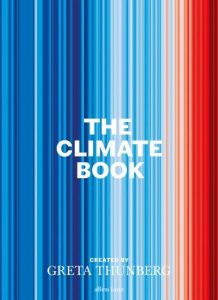
The Climate Book: The Facts and the Solutions, by Greta Thunberg

Under a White Sky: The Nature of the Future, by Elizabeth Kolbert (also the author of The Sixth Extinction)

An Immense World: How Animal Senses Reveal the Hidden Realms Around Us, by Ed Yong (also the author of I Contain Multitudes)

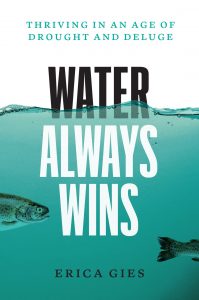
Water Always Wins: Thriving in an Age of Drought and Deluge, by Erica Gies

Call Us What We Carry (poems), by Amanda Gorman

The Flag, The Cross, and the Station Wagon: A Graying American Looks Back at His Suburban Boyhood and Wonders What the Hell Happened, by Bill McKibben

Midnight in Washington: How We Almost Lost Our Democracy and Still Could, by Adam Schiff

The Storm is Upon Us: How QAnon Became a Movement, Cult, and Conspiracy Theory of Everything, by Mike Rothschild

Beyond Belief: How Pentecostal Christianity is Taking Over the World, by Elle Hardy

Stolen Focus: Why You Can’t Pay Attention—And How to Think Deeply Again, by Johann Hari

Another book I would recommend is the following [disclosure: it was written by a family member]. It came out a few years ago, but it imparts important and timely lessons on the folly of violence (and the value of non-violent dissent) that all social movements and activists can benefit from:

Looking for Revolution, Finding Murder: The Crimes and Transformation of Katherine Ann Power, by Janet Landman


Also check out the books published by New Society Publishers and Chelsea Green Publishing and Island Press, for a wide selection of titles on green/sustainability topics.

Please buy books from independent bookstores to keep them in business (you can find the ones closest to you on IndieBound.org)—or from Powell’s Books, Barnes & Noble, or Better World Books—rather than from Amazon. There are numerous good reasons not to buy anything (but especially books) from Amazon. (And remember, when you pay the lowest possible price for books, the authors, publishers, and warehouse workers are all likely to receive a lot less for their work.) Also, when buying online, avoid choosing one- or two-day shipping unless it’s actually necessary; overnight/airplane-based rush shipping has an enormous environmental footprint as well as a serious cost to worker safety and sanity.

Consider buying gift certificates from local, independent bookstores for your family or friends.

For online audio books, check out Libro.fm, which also helps support your local independent bookstore.

Do you have some favorite books or authors to recommend? Please mention them in the Comments.

Related posts:

Share

November 20, 2022
[Click here to comment]

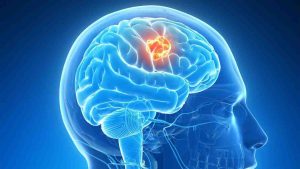
Studies have shown that exposure to various environmental toxins—which people can be exposed to via the air, water, soil, or the use of certain products—seem very likely to contribute to the development of a number of neurological and neurodegenerative disorders and diseases (including Alzheimer’s, other types of dementia, Parkinson’s disease, ALS, MS) and can also harm neurological development (e.g., intelligence) in children and babies’ developing brains.
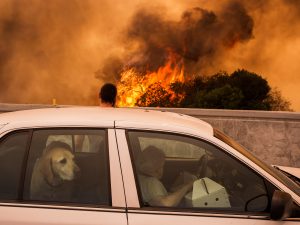
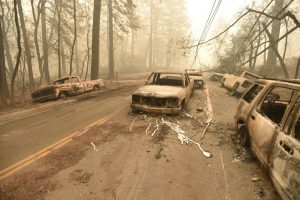
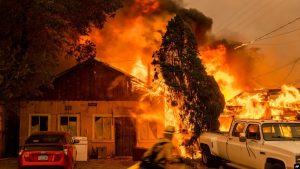
My father died of complications related to Parkinson’s disease, after enduring the myriad physical and cognitive indignities of that disease for many years. So this issue is very personal for me. But everyone should take it very personally that any one of us and many of our loved ones could end up suffering or dying from neurological or other diseases (such as cancers) that are often caused—at least in part—by our typically involuntary exposures to toxic chemicals that should not be manufactured or used or emitted into the environment. My dad was definitely exposed to some of the chemicals and air pollutants that have recently been associated with neurological disorders such as Parkinson’s. That makes me angry. It should make everyone angry and motivated to push for changes that protect everyone’s bodies and brains.

Some alarming facts and statistics to consider:

  • At least one in three seniors dies with Alzheimer’s or another dementia. (It kills more than breast cancer and prostate cancer combined.) Deaths from Alzheimer’s more than doubled between 2000 and 2019. (Source: Alzheimer’s Association)
  • COVID-19 is causing a significant increase in Alzheimer’s and dementia. In 2020, COVID contributed to a 17% increase in Alzheimer’s and dementia deaths! (Source: Alzheimer’s Association)
  • Parkinson’s is the second most common neurodegenerative disease, after Alzheimer’s disease. (Source: Parkinson’s Foundation)
  • Globally, disability and death due to Parkinson’s disease are increasing faster than for any other neurological disorder. The prevalence of PD has doubled in the past 25 years. PD is the most common movement disorder. (Source: World Health Organization)
  • Air pollution is associated with approximately 7 million premature deaths every year, worldwide. (Source: World Health Organization)
  • Almost the entire global population (99%) breathes air that exceeds WHO guideline limits and contains high levels of pollutants. (Source: World Health Organization)

While many neurological and other diseases can have genetic risk factors, and some can also be triggered or worsened by certain viruses, or by lifestyle (e.g. diet, exercise) choices, many diseases are more likely to occur when certain environmental exposures are also factors. Public health (and individual health) depend on environmental health. Prevention of these diseases should not just be focused on lifestyle choices, but should focus on protecting all of us by banning the environmental toxins that anyone can be exposed to.

Neurotoxins (toxins that studies have linked to neurological disorders/damage) include, but are not limited to:

  • certain types of pesticides, fungicides, and herbicides (e.g. paraquat, glyphosate/Roundup, maneb, etc.);
  • chemical solvents (e.g., trichloroethylene: TCE);
  • mercury (exposure primarily comes from coal power plant pollution, but it can also come from silver/amalgam dental fillings and from the cremation of those fillings, and from the ingestion of some types of seafood, as well as other sources) as well as lead and other heavy metals;
  • particulate air pollutants from the burning of fossil fuels, via power plants and via vehicles and other forms of transport (as well as particulates from wildfire smoke, which is increasing each year due to climate-driven heat and drought).

These are some recent Parkinson’s-specific articles and resources:

And these are a few articles on environmental risk factors associated with Alzheimer’s, other forms of dementia, and various other types of neurological disorders/brain damage:

Beyond Pesticides has compiled summaries of many recent studies and findings on the various neurological (and other health) effects associated with exposure to various chemical pesticides (and herbicides, fungicides, and related toxins):


ACTIONS

Please sign this petition:
Tell the EPA: Ban Paraquat, an herbicide linked to Parkinson’s disease

And you can sign these other petitions from the Michael J. Fox Foundation for Parkinson’s Research and from Beyond Pesticides.

You could also join the Parkinson’s Progression Markers Initiative (PPMI) study (whether you have Parkinson’s or not) to help further the research.

At the very least, please share the information provided in this post. And buy only organically grown food (and plants/seeds); avoid the use (and unsafe disposal) of toxic chemicals and hazardous products whenever possible; do what you can to reduce air pollution (e.g. minimize how much you fly or drive; and reduce material consumption/purchases); and support policies, public officials, candidates, and companies that promote non-toxic alternatives to the many chemical-intensive and polluting products and industries that are killing so many people and damaging our brains.

______

For additional information on the connection between environmental toxins and public health (and organizations that are focused on these issues and trying to prevent or reduce these problems), please see our past posts on:

Environmental Health / Public Health

Health Impacts of Toxic Chemicals and Pollutants

Here’s a small selection of the organizations focused on these issues:

Share

September 29, 2022
[Click here to comment]

Just left our house at 4:30 AM under a mandatory evacuation order, in the pitch dark, with howling winds, apocalyptic smoke, and ash swirling all around us. I’m quite shaken. We’ll figure out a plan when the sun comes up.”

That was the note that I posted on my Facebook page on the morning of October 27, 2019, once my husband and I were able to pull over in a town further from the fire, where other evacuees were parked. Overnight, gale-force winds from the northeast had started pushing the Kincade Fire rapidly and directly towards our area. (Officials feared it might jump over Highway 101, as the highly destructive and uncontrollable Tubbs Fire had done two years before, when it rampaged across the city of Santa Rosa to the horror and amazement of firefighters and everyone else.) Less than half an hour before I posted that note, we had been awakened by an evacuation notification alert blaring on our mobile phones. I could barely keep my panic at bay as we rushed to load our van up with our blind cat, along with other irreplaceable items and essential supplies that we had been gathering up in bags near our front door over the past few days of evacuation warnings. Our faces were pelted by brittle, wind-driven needles from our parched but magnificent redwood trees, and we had only our headlights and phone flashlights for lighting as we carried our things out to the van. I had to make a conscious effort to keep myself from hyperventilating or bursting into tears as we got into the vehicle and drove away from our home. I was reluctant to look back at it, knowing that when we returned, it might be burned to the ground.

This was one of the most intense days of my life. We were able to stay with friends in another part of the county for four days, until the order was lifted, and we were fortunate to be able to come back to an intact home and neighborhood (because the winds had died down before the fire got to the highway or beyond), though our power remained out for our first day and night back and the house felt like a walk-in freezer. We didn’t know it at the time, but we were part of the largest evacuation ever in Sonoma County history.

Many of us who are residents of the western United States have been personally affected by worsening (more frequent and much bigger and hotter) wildfires and the ever-longer fire seasons that we’ve been experiencing these past 5-10 years. The regular Red Flag “fire weather” warnings, the explosive fires every year, nerve-wracking evacuations and evacuation warnings, hazardous and acrid-smelling smoke in the air (tiny particulates that get deep into your lungs and make it feel like you’re sucking on a filthy truck exhaust pipe any time you’re outside) sometimes lingering for weeks at a time and making the air quality worse than anywhere else on Earth, being surrounded by other-worldly burnt-orange skies that block out the sun, sooty ash (including tiny fragments of people’s books/homes/lives) covering every outdoor surface (requiring the use of windshield wipers to clear car windshields), extended power outages as well as Internet and cell tower outages, and other substantial disruptions to work and to life in general—these things have taken a real toll on millions of us, and will take a toll on millions more.

Many of us also know people who have lost their homes and their sense of security—and who became climate refugees, facing displacement, years of insurance headaches, PTSD, and nightmares—because of these fires. I have some good friends who went through this trauma in 2017; they had to flee a giant wildfire in the middle of night and barely got out alive. I helped sift through the rubble and toxic ashes of their destroyed home and work studio. It looked like a large bomb had been dropped on their property, which had formerly been a hillside oak woodland paradise that felt like a sanctuary. That was an emotionally jarring experience, and it left an indelible mark on me, as did our own evacuation experience after that. And in the years before and after our evacuation, during other catastrophic fires in the region (including the one that destroyed our friends’ home), we were under evacuation warnings and had to be ready to leave at a moment’s notice.

In 2021, after many years of living in that beautiful but increasingly fire-imperiled and drought-stricken region, my husband and I moved to live near friends in a wetter region, which has less fire risk—less risk for now anyway, though I know conditions will continue to change and no place is safe from climate-related calamities. While not exactly wildfire refugees, we were essentially proactive climate migrants.

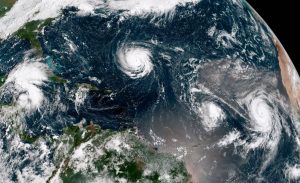
Ever-worsening climate destabilization is causing more extreme and prolonged heat and droughts, and thus creating vast areas of extremely dry vegetation: e.g., trees, shrubs, and grasses. And that is adversely changing the world’s fire ecology. In recent years, there have been widespread fires in most western and many southern states in the U.S. and across almost every region of the world, including the Arctic (e.g., Siberia and Alaska), Canada, Australia, the Amazon/South America/Brazil (where fires are sometimes intentionally started to illegally clear rainforest land for cattle grazing), and in Africa and Europe. Wildfires have always happened to some degree, but the size and intensity, the times of year, and the locations of many of today’s wildfires are unprecedented.

It’s easy to feel overwhelmed and helpless in the face of the increasing number of wildfires fueled by dangerous climate conditions. But we are not helpless. When doing research on wildfire risk reduction (see the resource links below), I was heartened to discover that there are many experts (e.g., fire ecologists, pyrogeographers, and all types of fire science aficionados and fire safety officials) doing good work, and some smart and positive efforts are underway to lessen the wildfire risks going forward. For example, there is a growing understanding among land managers, fire agencies, policymakers, and state and county staff of the need for some prescribed fires (AKA controlled or managed burns, or “good fire”): a traditional, indigenous practice to reduce dry and dead vegetation and to safely mimic and manage what would occur naturally (if most wildfires hadn’t been suppressed over the last century).

I’ve been pleased to observe that, in some areas at least, prescribed fires have been happening more frequently, despite permitting hurdles. I’ve also read about prescribed burns (as well as greenbelt buffers) that did, in fact, help protect some neighborhoods from recent fires. (Of course, controlled burns must be done very carefully and in the correct season and weather conditions, to make sure they don’t burn out of control, beyond the intended boundaries.)

There are numerous actions we can take as a society, as communities, and as individuals and households to prevent or minimize further destruction:

  • Community-scale wildfire mitigation efforts include policies and practices for state, regional, local, and neighborhood-level land use and management of public and privately owned lands: e.g., prescribed fires/controlled burns, greenbelt buffers and Urban Growth Boundaries for the wildland-urban interface, forest management, zoning that restricts building or re-building in fire-prone (or flood-prone or other disaster-prone) areas, and the development of fire-resilient infrastructure.
  • Property/Building-scale policies and practices (for land owners, building/home owners, and residents) focus on sites and structures: e.g., defensible space around residential and commercial structures, landscaping choices, vegetation management; home/building hardening and protection (design, building, remodeling, retrofitting); and indoor air ventilation and filtering strategies, for smoke protection and remediation.

The following websites and organizations can help you identify and implement a number of concrete actions that could protect your community or your own family and residence from wildfires:

I. General / Community-Scale Resources

Articles:

II. Property & Building-Scale (Site & Structures) Resources

Click here to see brief descriptions of these resources, or to see some more California-specific resources (in an annotated listing that I developed for the U.S. Green Building Council’s Redwood Empire Chapter in 2021). Also visit our Wildfire and Fire Ecology list on Twitter, which includes many of the above resources and others.

To get alerts on fires (or other emergencies) in your area, please use the WatchDuty app, or the PulsePoint Respond app, and sign up for Nixle alerts (by texting your zip code to 888777).

______________________

Doing everything we can to prevent or manage the spread of wildfires and to protect people, animals, forests, and structures from wildfires and their smoke pollution (for the long term) also requires that we do everything we can NOW to help mitigate and slow climate change, as our fast-changing, destabilized climate is the primary driver—the accelerant—of today’s catastrophic wildfires.

Related posts (which include some specific recommendations):


Note: This article is now also published on Resilience.org.

Share

April 27, 2022
1 comment

Over the past 10-15 years, it’s felt like new, large-scale crises emerge almost every day. It’s hard to focus on or prioritize any one issue, as so many issues are of dire importance.
I wish we could live in a world without any traumatic crises or catastrophes. But given that that isn’t a realistic option: I wish we could focus almost all of our attention and efforts on climate action and environmental protection right now, since climate breakdown (and biodiversity loss) is an urgent and worsening crisis (with new climate-related disasters occurring around the world every week) and it requires a bold and immediate response. But this crisis keeps getting overshadowed and crowded out by other real crises and interconnected, existential threats: from the ongoing and ever-morphing COVID-19 pandemic (and other threats to public health), to the ongoing struggle between democracy/human rights vs. authoritarianism, extremism, and political violence (abroad and at home), to increasing attacks on women’s rights, civil rights, and voting rights in the United States, to war and violence—and all of its attendant issues, including senseless death, destruction, brutality, trauma, misery, and suffering; war crimes, humanitarian crises, mass migration of refugees, nuclear security/safety risks (from threats of nuclear strikes to potentially catastrophic damage to active and inactive nuclear reactors/radioactive waste), environmental contamination (crimes against humanity and nature) and animal suffering, oil and gas supply/dependence, food supply risks, and the resulting economic effects. And this, of course, is only a partial list of significant current issues, the vast majority of which are human-caused.

None of us gets to choose which era we’re born into or what types of historical events and cataclysms we have to live through. But we should all try to rise to the moment we’re in and push for shifts in a more positive direction.

We all have so many personal responsibilities and daily struggles and stressors of our own that it can be very hard to take in what’s going on in other people’s lives and in other parts of the world. Many people turn away because they are already overwhelmed and are in survival mode, and simply can’t cope with or absorb any more sad or scary news or more problems that seem intractable; we all go through certain periods of our lives, or parts of our days, when our own problems (or our families’) are all (or more than) we can handle. Taking on the weight of the world can be crushing. Almost none of us are unscathed or truly OK these days, as most of us are facing numerous challenges at societal and individual levels. It’s important to “put your own oxygen mask on first, before helping others with theirs” because you can’t help others unless you are alive, relatively sane and healthy, and able to function. But whenever we do have the capacity, we should strive to be compassionate, stay aware of what is going on outside of our immediate lives and circumstances, and try to make a difference whenever and wherever we can, however small our efforts may seem, on whatever specific issue(s) we feel we can make an impact on. Helping others (and humanity at large) also gives our own lives a greater sense of meaning and purpose.

“I am only one, but I am one. I cannot do everything, but I can do something. And I will not let what I cannot do interfere with what I can do.” – Edward Everett Hale

These are some of The Green Spotlight’s blog posts that are related to current issues:

Posts Related to Democracy and Social Change 

Climate and Energy-Related Solutions, Tips, and Resources

COVID and Long COVID: Important Facts and New Findings [NEW]

COVID (and Economic Crisis) Response and Relief

Tips for Emergency Preparedness and Disaster Response

Wildfire Prevention and Risk Reduction

Resilience: Disaster-Resistant and Adaptive Design and Planning

Animal Protection, Rescue, and Advocacy

Wisdom from Hope in the Dark

Great Quotations on Action, Activism, and Change

There are countless organizations doing important and noble work to address many of the issues mentioned above. It’s hard for me to narrow down a list of only a few to highlight. But I will try. Below are just a few groups that address big, cross-cutting issues. Because so many of humanity’s issues and crises intersect and spring from the same or similar causes or contributors, it’s helpful to use systems thinking to see the big picture, connect the dots, and synthesize messages and actions; doing so can enable us to address multiple problems at once (to “multi-solve”). While the following are national and international organizations that have a broad scope, more local/regional, decentralized, grassroots groups and efforts are also extremely important and necessary, and big groups should partner up with small and local groups. There are just way too many grassroots groups in every area of the world to attempt to list them here.

As for Russia’s war on Ukraine (and the many terrible consequences of it), here are a few things you can do to help or to show solidarity with Ukraine (as well as greater Europe, other countries facing conflicts, and our entire, interconnected world):

  1. Support Global Giving’s Ukraine Crisis Relief Fund, other humanitarian aid and disaster response groups, refugee assistance groups, the Clean Futures Fund, or other organizations in the region.
  2. Reduce your use of oil and gas, e.g. by flying less (or not at all), driving less, getting an electric or non-gas-guzzling car (or electric bicycle), supporting renewable energy (via your utility, city, and state), using solar power, switching from gas to electric furnaces and electric/induction stoves (and electric leaf blowers and mowers), getting a heat pump, not heating or cooling your home as much, etc.
  3. Lobby/educate against the use (and development) of nuclear power and nuclear weapons, locally, nationally, and globally. Support: the immediate decommissioning of existing nuclear plants and neutralization of nuclear materials, no-first-use nuke policies, nuclear disarmament and arms reduction policies, uranium mining bans, etc.
  4. Support and amplify pro-democracy, anti-authoritarian groups and efforts, as well as pro-peace, anti-war groups and efforts.
  5. Reduce your consumption of wheat/grain-based products, and never waste food. (Ukraine is an agricultural “bread basket” of the world, and its ability to grow grains and other foods has been severely impacted by the war, affecting the food supply and food prices everywhere.) If you have a little space and a little time, grow some food plants on your land/yard or windowsills—ideally enough that you can share some with others. Support local organic farmers and small farms, as well food banks/pantries, gleaning groups, and food security and hunger organizations, locally and globally.
  6. Plant some sunflowers (organic seeds) this spring or summer.
Share

March 31, 2022
[Click here to comment]

While almost all of our posts can be used to inform or educate yourself or others, here are some of our posts that provide some direct resources for learning (for adults or children/youth). Many of the resources in these listings are also very entertaining:

Films (and TV Programs)

Books

TED Talks (videos)

Other Resources

What are some of your favorite, recommended educational resources on environmental topics? Let us know in the Comments.

Share

February 23, 2022
[Click here to comment]